BOAS Surgery
for Dogs

What is BOAS Surgery?

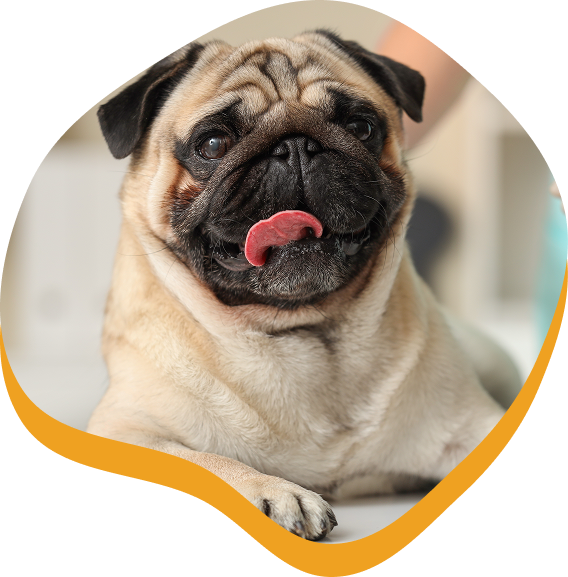
Brachycephalic Obstructive Airway Syndrome (BOAS) is a condition that affects flat-faced (brachycephalic) dog breeds such as English Bulldogs, French Bulldogs, Pugs, and Boston Terriers. These breeds are beloved for their distinct “pushed-in” faces, but their shortened skull structure can make breathing difficult. Over time, this chronic struggle to breathe comfortably can impact their overall health, energy, and quality of life.

Brachycephalic correction, known commonly as BOAS surgery, BOAS surgery is a corrective procedure designed to open the upper airways and restore normal airflow. By addressing the specific anatomical abnormalities that obstruct breathing, this surgery allows affected dogs to breathe, sleep, and play more easily while preventing progressive airway damage.
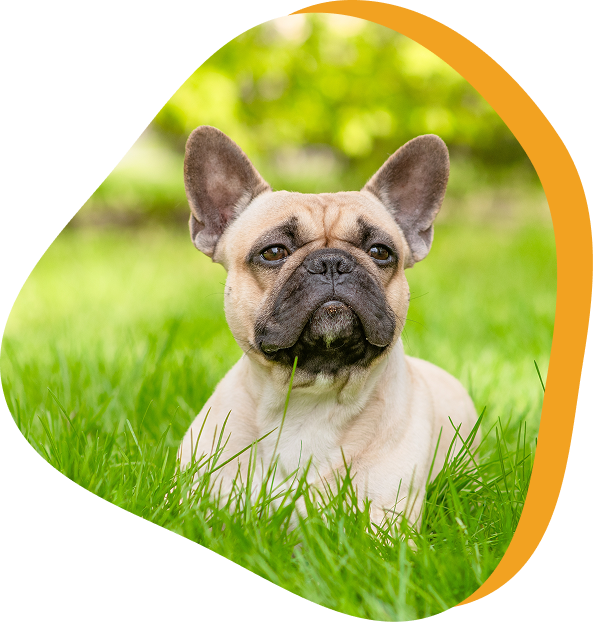
The Goals of Brachycephalic surgery:

  • Improve airflow through the nostrils and throat
  • Reduce airway resistance
  • Prevent secondary complications such as laryngeal collapse or gastrointestinal distress
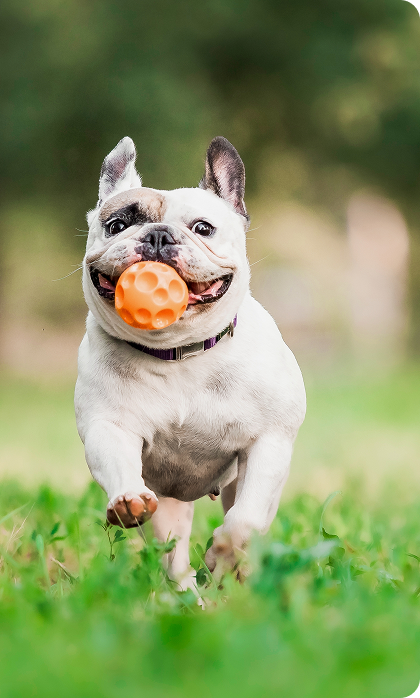
  • Dramatically enhance your dog’s comfort, stamina, and safety, especially in warm weather

Is My Dog a Candidate for
BOAS Surgery?

Not every brachycephalic dog requires surgery, but those showing moderate to severe symptoms often experience life-changing results from correction.

Common signs of BOAS include:

Loud snorting, snuffling, or wheezing sounds, even when the dog is resting.

Loud snorting, snuffling, or wheezing sounds, even when the dog is resting.

Loud snorting, snuffling, or wheezing sounds, even when the dog is resting.

Loud snorting, snuffling, or wheezing sounds, even when the dog is resting.

Loud snorting, snuffling, or wheezing sounds, even when the dog is resting.

Loud snorting, snuffling, or wheezing sounds, even when the dog is resting.

Loud snorting, snuffling, or wheezing sounds, even when the dog is resting.

Loud snorting, snuffling, or wheezing sounds, even when the dog is resting.

Loud snorting, snuffling, or wheezing sounds, even when the dog is resting.

Loud snorting, snuffling, or wheezing sounds, even when the dog is resting.

During your consultation at VSC Sarasota, the surgeon will thoroughly evaluate your pet to determine if they are a candidate for surgery as well as additional comorbidities. This includes:

Medical History Review

Assessing your dog’s previous breathing patterns, digestive health, and prior treatments.

Physical Examination

Evaluating nasal airflow, throat structure, and respiratory effort.

Diagnostic Imaging

Using X-rays or CT scans to assess the airway and rule out additional complications such as hiatal hernias or pneumonia.

What is involved in BOAS
corrective surgery?

Every dog’s airway structure is unique, which is why BOAS surgery is tailored to each patient’s anatomy. The procedure may include one or more of the following corrections:

Stenotic Nares Resection (Rhinoplasty)

This procedure widens narrow nostrils by removing a small wedge of tissue from each nostril, allowing smoother airflow during breathing.

Soft Palate Resection (Staphylectomy)

The elongated soft palate, common in flat-faced breeds, is carefully shortened and thinned to prevent it from blocking the entrance to the windpipe.

Everted
Laryngeal
Sacculectomy

If internal airway tissues have turned inward due to chronic negative pressure, they are removed to reduce obstruction and ease breathing.

Advanced or Emergency Procedures

In rare, severe cases involving airway collapse, a temporary or permanent tracheostomy maybe require to create a new airway opening through the neck, bypassing the obstructed upper airway.

Each procedure is performed under sterile, controlled conditions using advanced surgical tools and meticulous techniques to minimize trauma and recovery time.

Anesthesia and
Surgical Safety

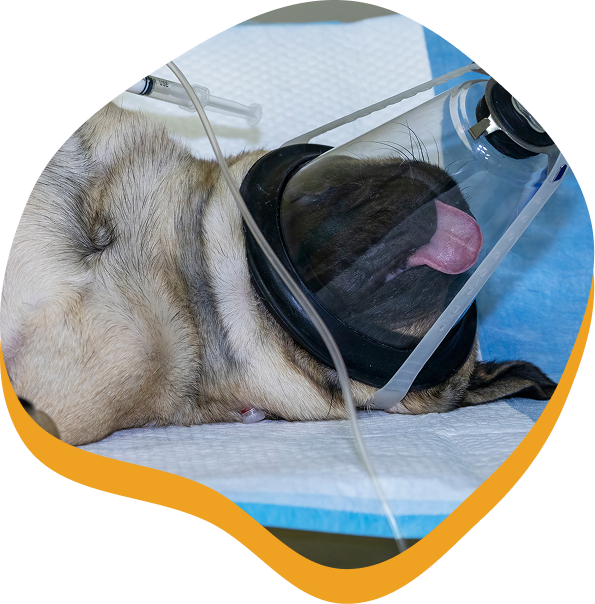
Anesthesia is significantly riskier for brachycephalic dogs due to their unique anatomy and pre-existing breathing issues. The drugs used for sedation and anesthesia relax the muscles of their already-narrowed airways, which can lead to life-threatening complications like partial or complete airway obstruction, regurgitation, and aspiration pneumonia. Because of this high risk, these patients require intensive, vigilant monitoring.

Pre-surgical testing may include:

  • Chest X-rays or CT scans to check the lungs and trachea
  • Bloodwork to ensure anesthetic safety
  • A full airway evaluation once under anesthesia

At VSC we partner with veterinary anesthesiologists for our anesthesia plans and monitor them closely with continuously tracking heart rate and rhythm (ECG), blood oxygen saturation (pulse oximetry), respiratory rate, end-tidal CO2 (which measures ventilation), blood pressure, and core body temperature to ensure their safety throughout the procedure and recovery. Our BOAS patients recover in an area surrounded by trained professionals to ensure they are constantly monitored.

Post-Operative Care
and Recovery

Your dog’s recovery is closely monitored in-hospital for at least 8–24 hours after surgery to manage swelling and ensure stable breathing. Not every brachycephalic patient will recover from anesthesia at the same pace, some need longer monitoring at the hospital.

Once home, owners play a vital role in the recovery process:

  • Activity Restriction: Limit exercise for 1–2 weeks. Only short, calm leash walks for bathroom breaks.
  • Environmental Control: Keep your dog in a cool, quiet area; heat can cause respiratory strain.
  • Follow-Up Visits: Scheduled check-ups and, if needed, X-rays help confirm proper healing.

Mild coughing, gagging, or regurgitation may occur during early recovery but generally resolves within a few days. For highly excitable pets, mild sedatives may be recommended to support rest and healing.

Expected Outcomes and
Long-Term Results

The majority of dogs experience dramatic improvement following BOAS surgery. Most owners report:

  • Noticeably easier breathing and quieter sleep 
  • Increased energy and willingness to play 
  • Improved appetite and fewer digestive issues 

While surgery cannot change the shape of the skull, it can significantly reduce airway resistance, preventing future complications like laryngeal collapse or heat stroke. Early surgical correction, especially before age two, leads to the best long-term results.

Maintaining a healthy weight after surgery is also essential to protect respiratory function and overall health.

Why Choose a Board-
Certified Veterinary
Surgeon

Understanding the difference between your family veterinarian and a board-certified veterinary surgeon is key to making an informed decision for your pet. Your primary veterinarian is a licensed doctor (DVM) who is fully qualified to perform a wide range of common surgeries, and many are exceptionally skilled at procedures like spays, neuters, and mass removals. There is absolutely nothing wrong with having your general practitioner perform a procedure. A board-certified surgeon, or “Diplomate,” is a specialist who has completed an additional 3-5 years of intensive internship and residency training focused exclusively on surgery, followed by a rigorous certification exam. This advanced training provides them with deep expertise and specialized skills, particularly for more complex, non-routine, or high-risk procedures. As a pet owner, knowing this distinction empowers you to have a clear conversation with your vet about whether your pet’s specific case might benefit from a specialist’s care. It is also important to look for gimmicks or deceptive advertising. Some veterinarians with no advanced training will attempt to brand themselves as a “bulldog specialist” due to their interests but these veterinarians are not specialists with advanced training in surgery.

When you choose VSC Sarasota, your pet
benefits from:

Expert surgical care from board-certified specialists 

Comprehensive pre-surgical assessments

Advanced anesthetic safety and pain management

Compassionate post-operative support and monitoring

Schedule a Consultation

If your dog struggles to breathe, snores excessively, or tires quickly during play, early evaluation is essential.

Contact the Veterinary Specialty Center of Sarasota today to schedule a consultation with our surgical team and learn how BOAS surgery can help your dog breathe easier and live a longer, healthier life.