- Pets
- Health
Extra Pounds, Aching Joints: Why a Healthy Weight Matters for Your Dog’s Mobility
November 23, 2026
By Dr. Liv Kismartoni, DVM, MBA, MPH, CVA, CVSMT, CCRP
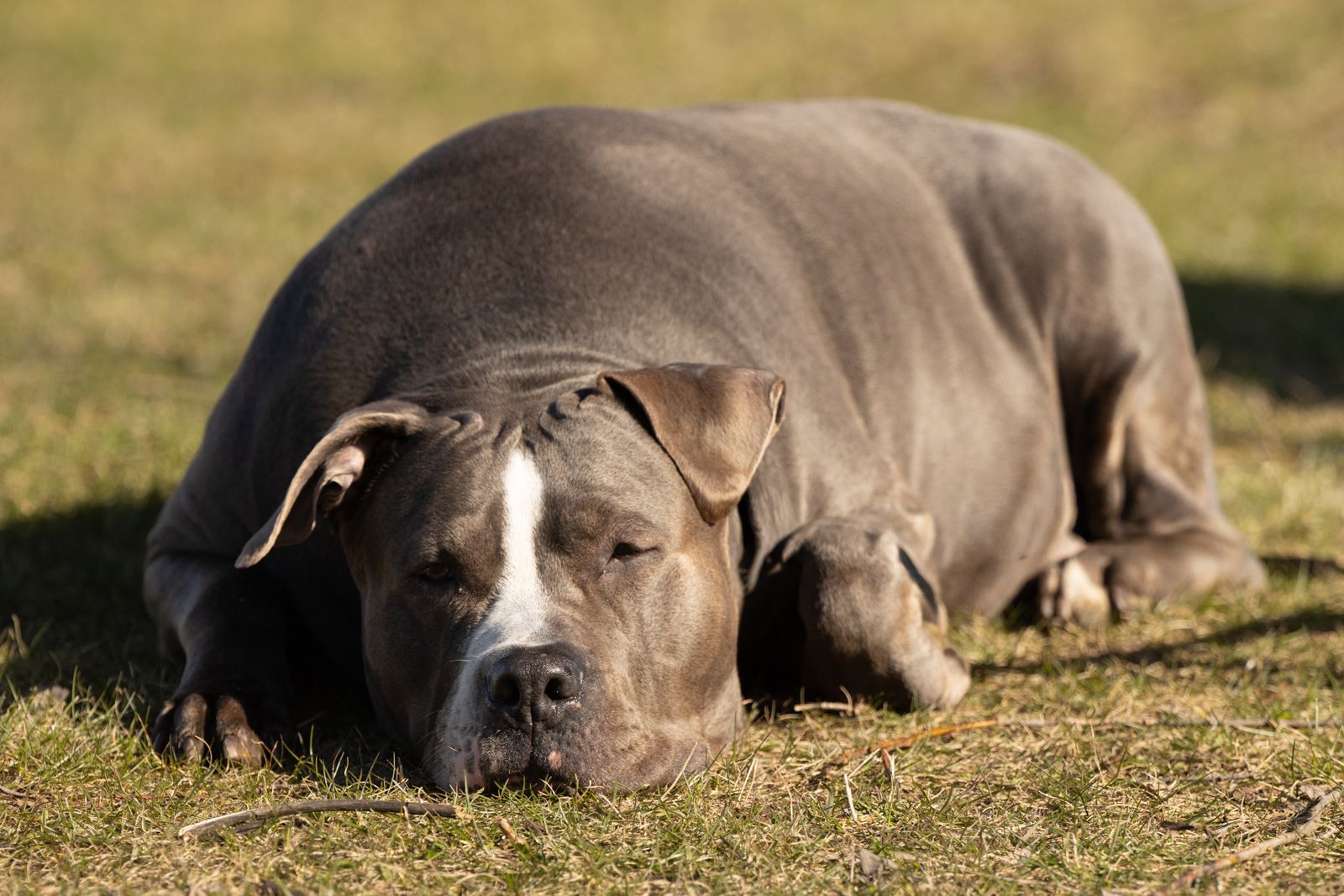
We all love to spoil our dogs, and food is often one of the easiest ways to show affection. A few extra treats here, a slightly fuller bowl there, and before long, a once-trim dog may be carrying a few extra pounds.
For dogs with joint disease, even a little extra weight can make everyday activities more difficult. Excess weight doesn’t just increase the load on painful joints; it can also contribute to inflammation and make it harder for dogs to stay active.
In sports medicine and rehabilitation, maintaining a healthy body weight is one of the most important ways we can help dogs move comfortably and preserve their quality of life. The good news? Even modest weight loss can make a meaningful difference.
How Common Is It?
More common than most people realize. Veterinary surveys consistently show that a substantial proportion of dogs in the United States are overweight or obese, with some estimates exceeding half of the canine population.
Many owners are surprised to learn their dog falls into this category. As heavier dogs become increasingly common, our perception of what a healthy dog should look like can gradually change.
Unfortunately, those extra pounds can have significant consequences for joint health.
Why Extra Weight Is Hard on Joints
More Weight Means More Stress on Joints
Every time your dog walks, runs, jumps, or climbs stairs, their joints absorb and distribute forces generated by movement.
Excess body weight increases the mechanical demands placed on the hips, knees, elbows, and spine. Over time, this additional stress can contribute to changes in cartilage, bone, ligaments, and other joint structures, increasing the risk of osteoarthritis or worsening existing joint disease.
Osteoarthritis is a progressive condition affecting the entire joint, not simply the cartilage that cushions the bones. Although damaged cartilage has limited ability to repair itself, appropriate management can help reduce pain, maintain mobility, and slow the cycle of weakness and inactivity.
Body Fat Contributes to Inflammation
Body fat does much more than store excess calories. Adipose tissue is metabolically active and produces chemical messengers, including substances called adipokines, that influence inflammation and joint metabolism.
This means excess body fat can affect joint health in two ways: by increasing the mechanical load on joints and by contributing to inflammatory processes throughout the body.
In other words, the effects of excess weight extend beyond simply carrying extra pounds.
Increased Risk of Orthopedic Injury
Excess weight is also an important modifiable risk factor for certain orthopedic conditions, including cranial cruciate ligament (CCL) disease, one of the most common causes of hindlimb lameness in dogs.
Although genetics, conformation, age, and other factors contribute to CCL disease, additional body weight increases the demands placed on the knee joint.
Maintaining a healthy weight is particularly important for dogs recovering from orthopedic injuries or surgery, when protecting healing tissues and rebuilding strength are essential.
A Longer, Healthier Life
One of the most influential studies in veterinary nutrition followed 48 Labrador retrievers throughout their lives. Researchers found that dogs maintained at a leaner body condition lived a median of nearly two years longer than their littermates who received more food.[1]
Additional research involving these dogs demonstrated that lifelong dietary restriction was associated with a later onset and reduced severity of radiographic hip osteoarthritis.[2]
While no single study can predict how long an individual dog will live, these findings highlight the importance of maintaining a healthy body condition throughout life.
And for our dogs, more healthy years can mean more walks, more playtime, and more opportunities to enjoy the activities they love.
Is My Dog Overweight? A Quick Home Check
Veterinarians commonly use a nine-point body condition scoring system to evaluate whether a dog is underweight, at an ideal weight, or carrying excess body fat. For most dogs, a score of 4 or 5 out of 9 is considered ideal.
You can perform a simple assessment at home:
- Feel the ribs. You should be able to feel your dog’s ribs easily beneath a thin layer of tissue, without pressing firmly. If you have to push hard to find them, your dog may be carrying excess fat.
- Look for a waist. Viewed from above, your dog should have a visible inward curve behind the rib cage.
- Check the tummy tuck. Viewed from the side, the abdomen should rise upward behind the rib cage rather than hanging straight across or sagging.
Keep in mind that body condition and muscle condition are not the same thing. A dog can carry excess body fat while simultaneously losing important muscle mass, particularly with aging or chronic orthopedic disease. Your veterinarian can assess both body and muscle condition and help determine an appropriate target weight.
DOGS – Body Condition Score (WSAVA chart)
Signs Your Dog May Be Experiencing Joint Pain
Dogs rarely tell us they’re uncomfortable by crying or whining. Instead, joint pain often appears as subtle changes in movement, posture, or activity.
Watch for:
- Stiffness or difficulty getting up, especially after resting
- Reluctance to jump into the car or onto furniture
- Hesitation when climbing or descending stairs
- Slowing down on walks or wanting to return home early
- Sitting or lying down more frequently during play
- Limping, shortened strides, or changes in gait
- Shifting weight away from one leg while standing
- Difficulty sitting normally or frequently changing positions
- Loss of muscle mass, particularly over the hindquarters
- Reduced interest in activities your dog previously enjoyed
These changes are sometimes mistaken for normal aging. However, slowing down is not necessarily an inevitable part of getting older.
Many orthopedic and neurologic conditions can cause similar signs, so a veterinary examination is important to identify the underlying problem.
The Encouraging News: A Little Weight Loss Can Make a Big Difference
You don’t have to achieve dramatic weight loss to see improvements in comfort and mobility.
In a clinical study involving overweight dogs with osteoarthritis, researchers found that losing approximately 6% of body weight was associated with measurable improvements in lameness, with additional objective improvements observed around 9% weight loss.[3]
For a 70-pound dog, that’s approximately 4 to 6 pounds.
While every dog responds differently, even modest reductions in excess body weight may help decrease joint discomfort and improve mobility.
Weight Loss Is About More Than the Number on the Scale
For dogs with joint disease, the goal isn’t simply to weigh less. It’s to reduce excess body fat while preserving the muscle needed to support and stabilize their joints.
Dogs with chronic arthritis often lose muscle because discomfort causes them to move less. This weakness can further compromise mobility, making exercise increasingly difficult and creating a cycle of pain, inactivity, and muscle loss.
Simply restricting calories without considering muscle health may not produce the best functional outcome.
A successful weight-management program combines appropriate nutrition, pain management, and targeted exercise to help dogs lose excess fat while maintaining strength.
Ultimately, the goal is not just a healthier weight, but a stronger, more comfortable, and more mobile dog.
Creating a Safe Weight-Loss Plan
Weight loss is most successful when approached gradually and with guidance from your veterinary team.
Measure Meals Accurately
Small differences in portion sizes can add up over time. Using a kitchen scale to weigh food is generally more accurate than relying on a scoop or measuring cup.
Your veterinarian can help calculate an appropriate daily calorie intake based on your dog’s current weight, body condition, medical history, and weight-loss goals.
Don’t Forget the Treats
Treats and extras should generally account for no more than 10% of your dog’s daily calorie intake.
Consider lower-calorie options such as plain green beans, cucumber, or a few pieces of your dog’s regular kibble reserved from their daily meals.
Remember that some human foods, including grapes, raisins, onions, and chocolate, are toxic to dogs.
Consider a Therapeutic Weight-Management Diet
For dogs requiring significant weight loss, a veterinary therapeutic diet may be beneficial.
These diets are formulated to provide essential nutrients while reducing calorie intake, often with increased protein and fiber to help preserve lean muscle and promote satiety.
Your veterinarian can help determine whether a specialized diet is appropriate.
Aim for Gradual, Consistent Progress
A commonly recommended weight-loss target for dogs is approximately 1–2% of body weight per week, although the appropriate rate varies with the individual dog.
Regular weigh-ins, typically every two to four weeks, allow your veterinary team to monitor progress and adjust the plan as needed.
Body condition, muscle condition, and overall mobility should also be reassessed throughout the process.
Keep Your Dog Moving—Safely
Exercise plays an important role in preserving muscle strength, supporting joint mobility, and maintaining cardiovascular fitness.
However, for dogs with arthritis or orthopedic injuries, the type and intensity of exercise matter.
Appropriate activities may include:
- Several short, controlled leash walks rather than one long, strenuous walk
- Individualized strengthening and balance exercises
- Supervised underwater treadmill therapy
- Carefully selected aquatic exercise, when appropriate for the dog’s condition
- Consistent, low-impact activities that avoid sudden turns, jumping, or excessive strain
Exercise should be tailored to your dog’s comfort and physical abilities. For dogs with painful joints, simply increasing activity without addressing the underlying discomfort may make matters worse.
Here in Florida, it’s also important to consider the heat. Plan outdoor exercise for cooler morning or evening hours, provide plenty of water, and remember that overweight dogs may be more susceptible to overheating. Hot pavement can also cause painful paw injuries.
How Sports Medicine and Rehabilitation Can Help
For some dogs, losing weight becomes especially challenging because joint pain makes movement uncomfortable. Unfortunately, reduced activity can lead to further muscle loss, weakness, and declining mobility.
This is where veterinary sports medicine and rehabilitation can make a meaningful difference.
At Veterinary Specialty Center (VSC), our approach focuses not only on reducing discomfort but also on restoring strength, improving movement, and helping dogs return to activities they enjoy.
Depending on your dog’s diagnosis and individual needs, a rehabilitation program may include:
- Underwater treadmill therapy: Water provides buoyancy that can reduce weight bearing on painful joints while allowing controlled walking and muscle activation. Water depth and treadmill speed can be adjusted to help meet each dog’s therapeutic goals.
- Targeted therapeutic exercise: Individualized strengthening, balance, and mobility exercises help improve muscle function, joint stability, and movement patterns.
- Pain management: Appropriate medications and selected rehabilitation modalities, such as therapeutic laser and shockwave therapy, may be incorporated into a multimodal treatment plan to improve comfort and support participation in exercise.
- Home exercise programs: Carefully selected activities help owners continue their dog’s progress between rehabilitation visits while minimizing unnecessary joint stress.
- Ongoing functional assessment: Monitoring strength, gait, mobility, and response to treatment helps us adjust the rehabilitation program as your dog improves.
Before developing a treatment plan, we perform a thorough orthopedic and neurologic examination. When indicated, diagnostic imaging such as radiographs or CT may help identify underlying conditions contributing to pain or impaired mobility.
We also work alongside your primary veterinarian to coordinate appropriate weight management, medical care, and rehabilitation.
The goal is to help your dog move more comfortably while preserving the strength and function needed for long-term mobility.
Small Changes, Big Rewards
Maintaining a healthy weight is one of the most effective ways to support your dog’s joint health and lifelong mobility.
For dogs already experiencing arthritis or other orthopedic conditions, even modest weight loss can help reduce discomfort and improve daily function.
But successful weight management involves more than simply feeding less. Preserving muscle strength, managing pain, and choosing appropriate exercise are equally important parts of helping dogs stay active.
If your dog is slowing down, struggling with stairs, or showing signs of joint discomfort, our Sports Medicine and Rehabilitation team at Veterinary Specialty Center can help.
Working alongside your primary veterinarian, we develop individualized treatment plans focused on improving comfort, strength, and mobility.
Because the goal isn’t simply helping your dog lose weight. It’s helping them move better and enjoy life longer.
Contact Veterinary Specialty Center to schedule a sports medicine and rehabilitation consultation.
References
- Kealy RD, Lawler DF, Ballam JM, et al. Effects of diet restriction on life span and age-related changes in dogs. Journal of the American Veterinary Medical Association. 2002;220(9):1315–1320. https://doi.org/10.2460/javma.2002.220.1315
- Smith GK, Paster ER, Powers MY, et al. Lifelong diet restriction and radiographic evidence of osteoarthritis of the hip joint in dogs. Journal of the American Veterinary Medical Association. 2006;229(5):690–693. https://doi.org/10.2460/javma.229.5.690
- Marshall WG, Hazewinkel HAW, Mullen D, et al. The effect of weight loss on lameness in obese dogs with osteoarthritis. Veterinary Research Communications. 2010;34(3):241–253. https://doi.org/10.1007/s11259-010-9348-7